
Geração6.ª geração Ano2001 TipoDoméstica
GLOSSÁRIO NVERSE
Conceitos associados à consola
IDENTIDADE DA CONSOLA
Geração6ª geração
Tipo de sistemaDoméstica
Ano2001
ENCICLOPÉDIA NVERSE
História da GameCube
Lançada no Japão a 14 de setembro de 2001 e na Europa a 3 de maio de 2002, a Nintendo GameCube é uma consola doméstica de sexta geração que conquistou os jogadores com o seu design compacto, comando ergonómico e catálogo de jogos inesquecíveis. Sucessora da Nintendo 64, representou uma nova era para a Nintendo, sendo a primeira consola doméstica da marca a utilizar discos óticos em vez de cartuchos.
Com o seu característico formato cúbico, pega de transporte e cores como o icónico roxo Indigo, a GameCube destacou-se pela originalidade. Equipada com um processador IBM PowerPC Gekko e tecnologia gráfica desenvolvida em colaboração com a ATI, proporcionou mundos tridimensionais mais detalhados, animações fluidas e experiências de jogo envolventes.
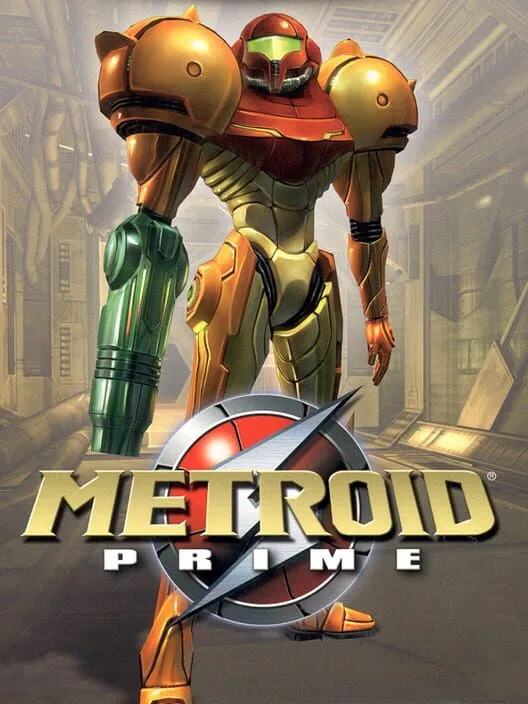
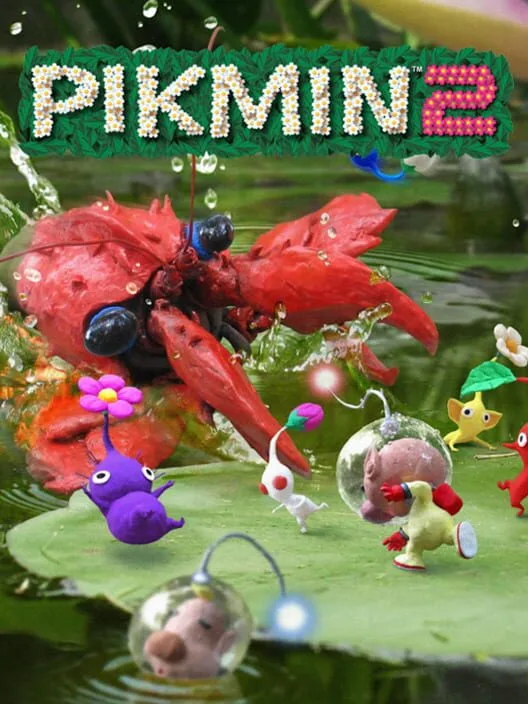
O seu catálogo inclui alguns dos títulos mais emblemáticos da história da Nintendo, como Super Mario Sunshine, The Legend of Zelda: The Wind Waker, Metroid Prime, Luigi's Mansion, Mario Kart: Double Dash!!, Pikmin e Super Smash Bros. Melee. A consola recebeu também jogos de outras produtoras, incluindo Resident Evil 4, Resident Evil Remake e Star Wars Rogue Squadron II: Rogue Leader.
Entre as suas principais inovações destacam-se o suporte para quatro jogadores em simultâneo, o comando sem fios WaveBird e a ligação à Game Boy Advance, que permitia desbloquear funcionalidades especiais em determinados jogos. Com o acessório Game Boy Player, era ainda possível desfrutar de jogos Game Boy, Game Boy Color e Game Boy Advance diretamente na televisão.
Apesar da forte concorrência da PlayStation 2 e da Xbox, a Nintendo GameCube conquistou um lugar especial na história dos videojogos. Atualmente, continua a ser uma das consolas mais apreciadas pelos entusiastas do retrogaming, graças à sua identidade única, experiências multijogador memoráveis e biblioteca de clássicos que resistiram ao passar do tempo.
EVOLUÇÃO EM DATAS
Cronologia interativa
Marcos editoriais, lançamentos regionais e datas do ciclo de vida, com origem identificada.
7 acontecimentos
Ano de lançamento indicado
Ano de lançamento registado na ficha da consola.Lançamento — REGION-5 · Initial version
Data de lançamento regional registada no catálogo.Lançamento — REGION-2 · Initial version
Data de lançamento regional registada no catálogo.Lançamento — REGION-5 · Panasonic Q
Data de lançamento regional registada no catálogo.Lançamento — REGION-1 · Initial version
Data de lançamento regional registada no catálogo.Lançamento — REGION-3 · Initial version
Data de lançamento regional registada no catálogo.Lançamento — REGION-10 · Initial version
Data de lançamento regional registada no catálogo.
Não existem acontecimentos para estes filtros.
HARDWARE EM DETALHE
Ficha técnica e identidade
- Nome alternativo
- GCN
- Abreviatura
- NGC
- Geração
- 6ª geração
- Tipo
- Doméstica
- Ano de lançamento
- 2001
LANÇAMENTOS
Datas por região
ESPECIFICAÇÕES
Comparar modelos desta consola →Modelos e versões de hardware
Especificações por revisão ou modelo, conforme os dados registados.
DOL-101 · Principal
No Digital AV Out (component)
Especificações técnicas ainda não disponíveis para esta versão.
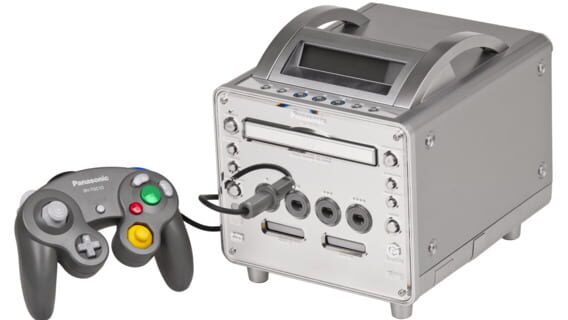
Panasonic Q
The Panasonic Q (sometimes known as Q and GameQ) is a hybrid version of the Nintendo GameCube with a DVD player manufactured by Panasonic in cooperation with Nintendo. The system was officially released only in Japan. A feature of its main competitors Xbox and PlayStation 2, the GameCube lacked commercial DVD movie playback functionality due to the use of the Nintendo optical disc format for games and the correspondingly small disc tray.
Processamento e memória
- Processador (CPU)
- IBM "Gekko" PowerPC at 485 MHz
- Gráficos (GPU)
- ATI Flipper 162 MHz (64 Bit, 16 MB)
- Memória RAM
- 43 MB
Imagem e som
- Áudio
- 81 MHz in Flipper (64 Channels at 48000KHz)
Armazenamento e sistema
- Suportes e formatos
- DVD, CD, GD-Rom disc
- Sistema operativo
- Dolphin OS
Conectividade
- Ligações e rede
- Gamecube Broadband Network Adapter

Initial version
The GameCube is the first Nintendo console to use optical discs for its primary storage medium. The discs are similar to the miniDVD format, and as a result of their smaller size, the system was not designed to play standard DVDs or audio CDs. Nintendo presents a variety of connectivity options for the GameCube. It supports online gaming for a small number of games via the broadband or modem adapter, sold separately; it also connects to the Game Boy Advance, allowing players to access exclusive in-game features using the handheld as a second screen and controller. Contemporary reception of the GameCube was generally positive. Some praised the extensive software library and high-quality games, while others criticized the console's exterior design and lack of features. Nintendo sold 21.74 million GameCube units worldwide before being discontinued in 2007. Its successor, the Wii, was released in November 2006.
Processamento e memória
- Processador (CPU)
- IBM PowerPC ''Gekko'' @ 485 MHz
- Gráficos (GPU)
- ATI ''Flipper'' @ 162 MHz
- Memória RAM
- 24MB
Imagem e som
- Resoluções
- 240i, 240p (no games use these), 480i, 480p (only some games support 480p), 576i (PAL)
- Saída de vídeo
- Composite, S-Video, YPbPr component, RGB component (Japan only)
- Áudio
- 64 ADPCM channels, analog stereo w/ Dolby Pro Logic II (Dolby Surround)
Armazenamento e sistema
- Armazenamento
- Nintendo GameCube Memory Card (8MB-16MB Capacity)
- Suportes e formatos
- Nintendo GameCube game disc
- Sistema operativo
- Dolphin OS
Conectividade
- Ligações e rede
- Nintendo GameCube Broadband Adapter
FRENTE A FRENTE
Comparar visualmente os modelos
Escolhe dois modelos para comparar a sua aparência. As imagens refletem apenas os ficheiros editoriais disponíveis.
Imagem deste modelo não disponível
DOL-101
No Digital AV Out (component)
Panasonic Q
The Panasonic Q (sometimes known as Q and GameQ) is a hybrid version of the Nintendo GameCube with a DVD player manufactured by Panasonic in cooperation with Nintendo. The system was officially released only in Japan. A feature of its main competitors Xbox and PlayStation 2, the GameCube lacked commercial DVD movie playback functionality due to the use of the Nintendo optical disc format for games and the correspondingly small disc tray.
Initial version
The GameCube is the first Nintendo console to use optical discs for its primary storage medium. The discs are similar to the miniDVD format, and as a result of their smaller size, the system was not designed to play standard DVDs or audio CDs. Nintendo presents a variety of connectivity options for the GameCube. It supports online gaming for a small number of games via the broadband or modem adapter, sold separately; it also connects to the Game Boy Advance, allowing players to access exclusive in-game features using the handheld as a second screen and controller. Contemporary reception of the GameCube was generally positive. Some praised the extensive software library and high-quality games, while others criticized the console's exterior design and lack of features. Nintendo sold 21.74 million GameCube units worldwide before being discontinued in 2007. Its successor, the Wii, was released in November 2006.
ACESSÓRIOS
Acessórios da GameCube
Periféricos e acessórios associados à consola.


CATÁLOGO
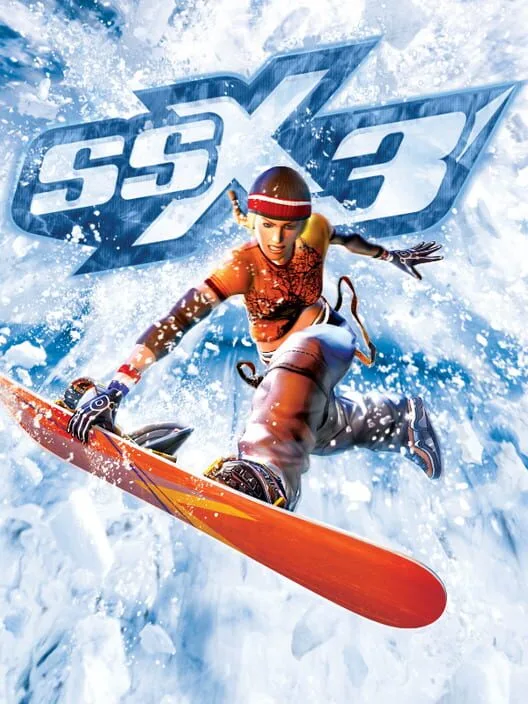
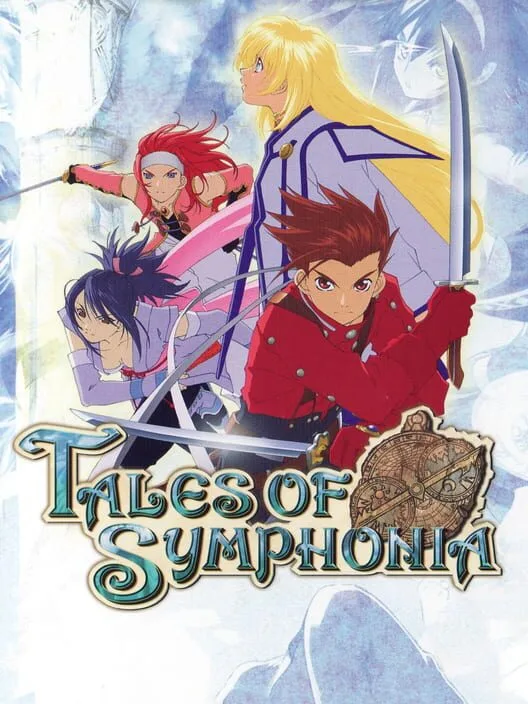
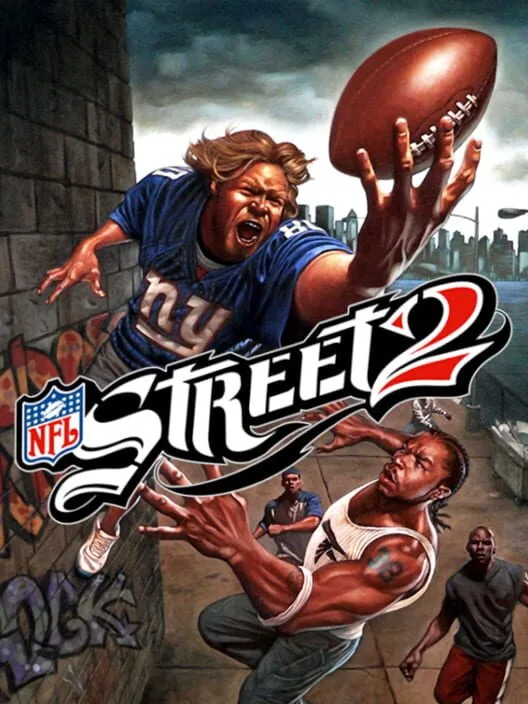
186 títulosBiblioteca de jogos
Explora o catálogo associado a esta plataforma.
Página 1 de 8 · 186 jogos encontrados













Comentários sobre a consola
0 comentários · Partilha a tua opinião com a comunidade NVerse.